
What Recovery Looks Like for Children
What Recovery Looks Like for Children: The Process
Parents and donors often ask what recovery looks like for children after surgery funded through Humanity Direct. Recovery is more than a medical process; it’s a return to comfort, confidence and childhood. Every child’s journey is unique, but the pattern of healing we see time and again is hopeful, positive and transformative.
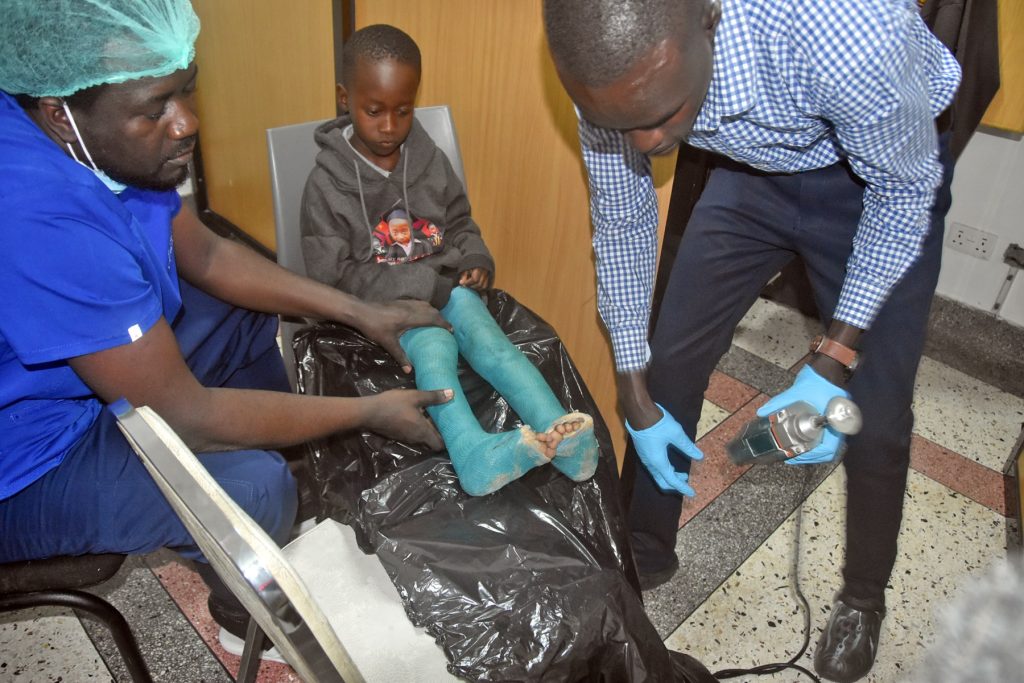
The First Few Days After Surgery
Immediately following surgery, most children remain in the hospital for observation. Local medical teams ensure they’re comfortable, hydrated and free from unnecessary pain. Children are often up and moving surprisingly quickly, especially after procedures like hernia repairs, hydrocele treatment or cataract surgery.
Parents or guardians stay close by, offering reassurance and emotional comfort. This support is vital. Even when a child is brave, having a trusted adult nearby makes recovery far less frightening.
Regaining Comfort and Confidence
One of the biggest signs of improvement happens early: the relief from pain. Many children have lived with discomfort, swelling or restricted movement for months or even years. Once the surgery is complete, their pain reduces dramatically.
This physical relief is often matched by emotional change. Children become more talkative, playful and relaxed. Families frequently describe it as “getting their child back”, a powerful reminder of how much untreated conditions can dim a child’s spirit.
Healing at Home
Once discharged, children continue healing at home. Families receive clear instructions on:
- Caring for the wound
- Medication schedules
- Signs of infection
- When to return for follow-up care
Recovery times vary depending on the procedure, but many children feel significantly better within a week or two. For surgeries like cataracts, improvement can be almost immediate. For others, it may take slightly longer, but the trajectory is consistently positive.
In nearly all cases, children bounce back more quickly than adults would, thanks to their natural resilience.
Returning to School and Play
A huge part of what recovery looks like for children is returning to normal life. For many, the first sign of full recovery is the eagerness to rejoin their friends. Play returns quickly — running, climbing, laughing — activities that were once impossible or painful.
Returning to school is equally important. Before surgery, many children miss lessons or struggle to concentrate because of discomfort. After surgery, teachers often notice:
- Improved attendance
- Better focus
- Increased confidence
- More social engagement
This renewed participation helps children catch up academically and socially.
Emotional Healing and Rebuilding Routine
Recovery isn’t just physical. Living with a long-term, untreated condition can affect confidence and self-esteem, especially if the condition is visible or causes stigma. Surgery often removes not just physical barriers, but emotional ones too.
Parents frequently share that their children become happier, more outgoing and more hopeful about their future. This emotional lift is a powerful part of what recovery looks like for children.
A Brighter Path Ahead
Ultimately, what recovery looks like for children is a journey back to childhood — one where pain no longer stands in the way of learning, playing and dreaming. Surgery doesn’t just heal a medical issue; it restores opportunities, dignity and hope.