
Bringing Safe Surgery To Children: Our Operations
In Uganda’s rapidly urbanising cities, the number of settlements, often described as ‘slums’ are rapidly growing as people migrate from rural areas in search of better opportunities.
Yet, life in these settlements is tough, marked by overcrowding, poor sanitation, and insecure housing. And, while geographically closer to more hospitals, proximity doesn’t mean equal access to medical care. User fees for registration, consultations, tests and medicine, along with an irregular income and indirect costs such as transport, all keep healthcare unaffordable.
Over the past few years, as well as funding safe surgery for children living in rural areas far from any medical care, we’ve also funded operations from neurosurgery to orthopaedic operations for children living in Kampala’s settlements.
How Many Children Live in Kampala’s Settlements?
More than half (54 %) of Kampala’s residents live in slums, defined as informal settlements with inadequate housing, sanitation, basic services and employment opportunities (2019 “Situation Analysis of Children in Uganda” by UNICEF).
One of Kampala’s largest slums, Namuwongo, has an estimated 30,000 residents, with children representing over 50% of its population. Another slum, Kisenyi, has upwards of 15,000 children living on the streets.
Poor Living Conditions Increases Health Risks
Slums have inadequate sanitation, overcrowding and limited safe water, all factors that raise children’s risk of infection (malaria, diarrhoea, typhoid), malnutrition and other diseases. In Namuwongo, poor sanitation and open sewage are common.
The majority of children are unable to go to school with many end up as child labour where they are at an increased risk of physical abuse resulting in injuries such as fractures and burns that often go untreated.
Many slums are a maze of narrow, muddy, or flooded paths that make it hard for people, especially mothers and small children, to reach clinics and in an emergency, it’s impossible for ambulances to enter the dense settlements.
Access to Healthcare
Despite physical proximity to some health facilities, households in slums face a number of barriers to getting the healthcare they need. One report found slum residents in Katanga slum had no health centre within the settlement and the nearest one The National Referral Hospital was unaffordable.
The work available is often low-paid, with many households earning less than £1 per day from car washing, casual labour, or driving boda-bodas. Because incomes are small and unpredictable, families often face a harsh tradeoff between paying rent, buying basic food, and skipping other essentials like health care, nutritious food or school fees. Conditions and illnesses often go untreated until they’ve deteriorated into something serious.
The Impact On Children’s Futures
Children in slums carry a double burden from the direct effects of poverty, inadequate living conditions, and limited services to the loss of education and health opportunities. Poor health in childhood impacts long-term development, causing stunting, chronic illness, missed schooling and reduced economic prospects. From a public health perspective, reducing child health disparities in slums is critical for urban resilience, equity and sustainable development.
How Has Humanity Direct Helped?
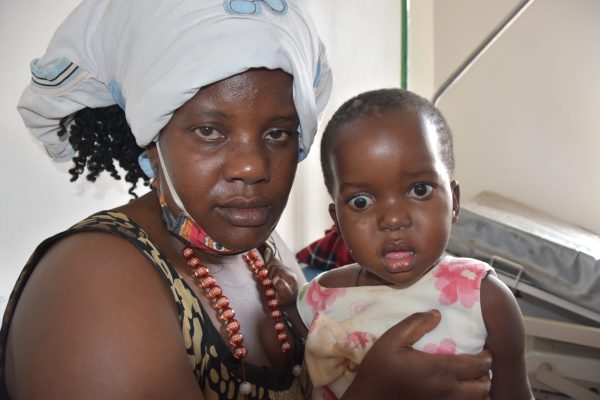
In the past couple of years, we’ve helped over 15 children from the settlements get the safe surgery they need, including operations for brain tumours, hydrocephalus, facial tumours and burns.
After being diagnosed with hydrocephalus and a brain tumour 3-yr-old Daniela underwent two operations including an eight-hour operation performed by neurosurgeon Dr Ssenyonjo.
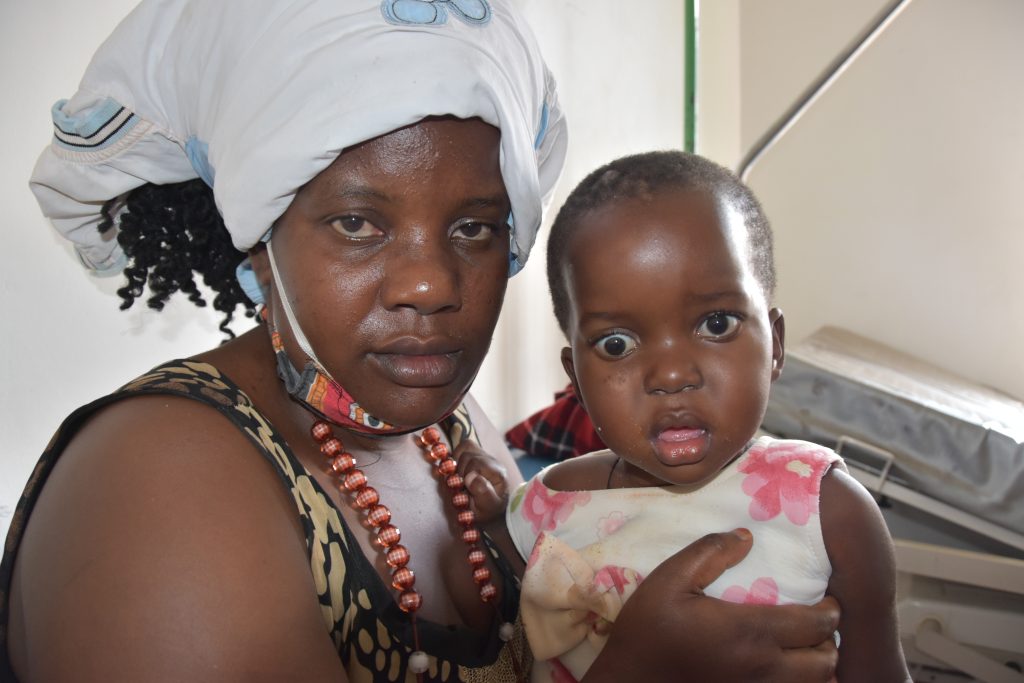
Maxillofacial surgeon Dr Adrian Kamulegega operated on 3-yr-old Cyprian to remove a large facial tumour.
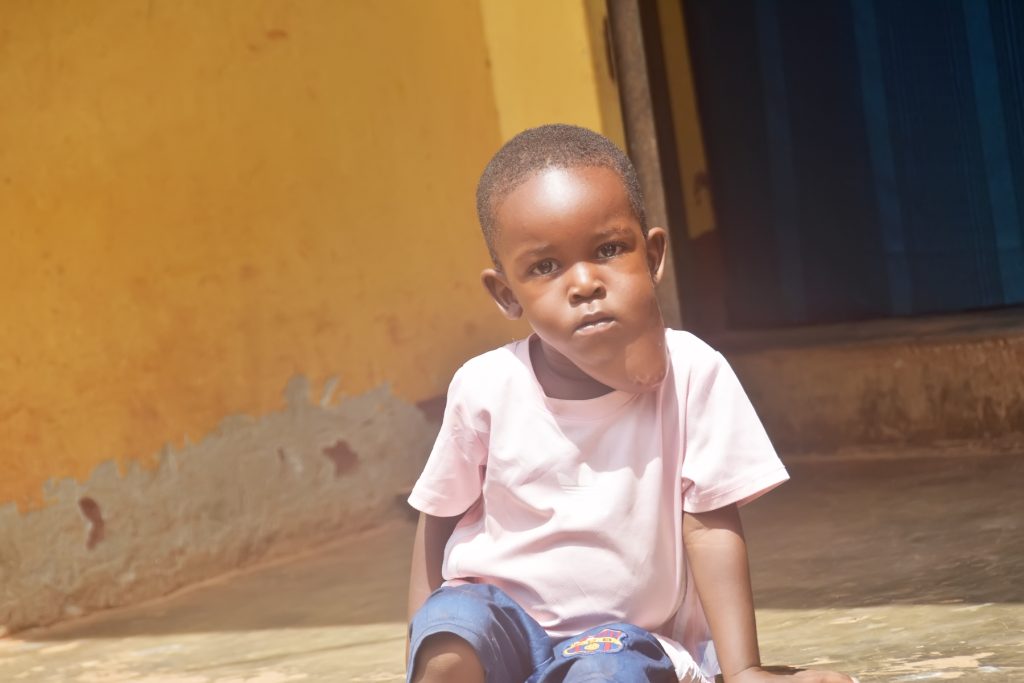
2-yr-old Melissah had complex bowel surgery to correct an anorectal malformation, a serious bowel condition affecting a child’s ability to have proper bowel movement.
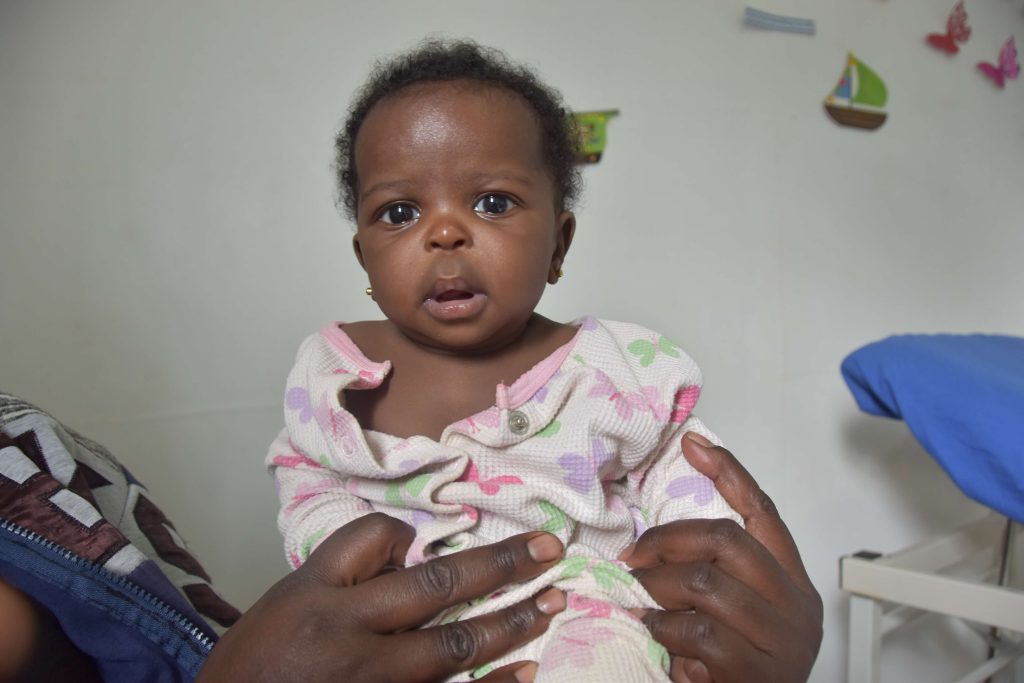
Favour (below) had a skin graft to treat a serious burn after tripping up and landing with her arm in boiling water.
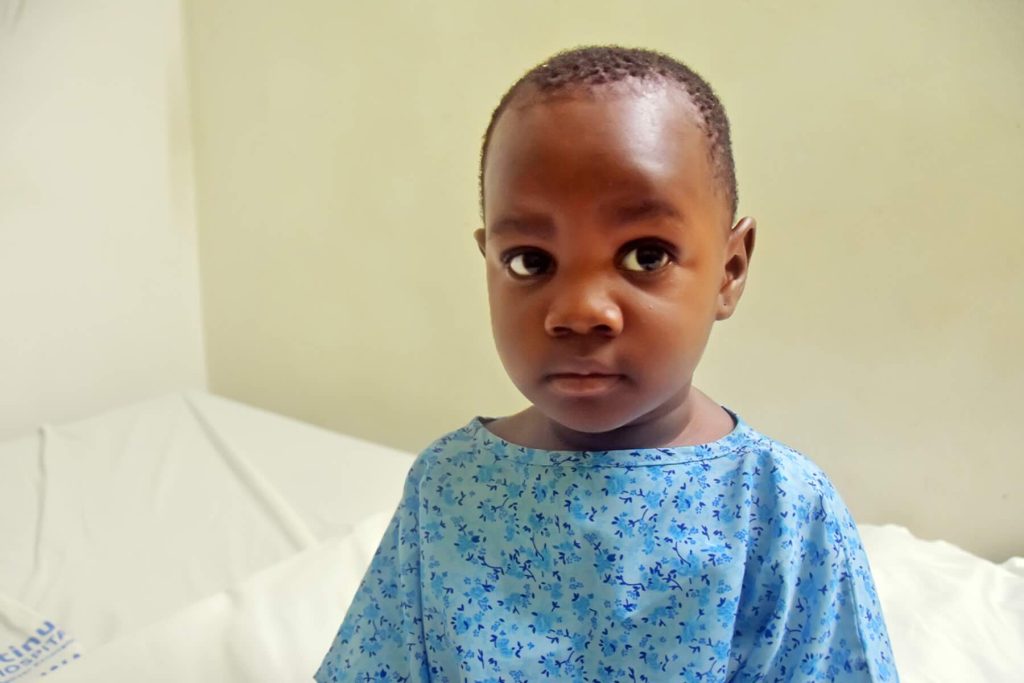

Getting Safe Surgery for Children Growing Up in Settlements.
In 2026 we want to continue holding clinics in the settlements as well as the more rural areas.
We’re looking at hosting surgical day camps to treat specific conditions so we can take on more cases in a short space of time – booking out theatre space, surgeons and potential hospital beds for any children that need significant recovery time.
Your donations to our Universal Fund will help us achieve that. From £5 you can contribute to help us okay our clinics ensuring children get the surgery they need.
To donate to the Universal Fund and contribute towards and entire clinics.
To fund an entire operation for one of the children growing up in the settlements please visit our Patient Page.