
The Ongoing Consequences of the LRA Conflict
For over two decades, the Lord’s Resistance Army (LRA), a Ugandan militant religious extremist group, waged war against the Ugandan Government, abducting children, displacing millions, and destroying vital infrastructure. Now, almost 20 years since the LRA’s activities ceased in Northern Uganda, the effects of the war remain.
What Happened In Uganda?
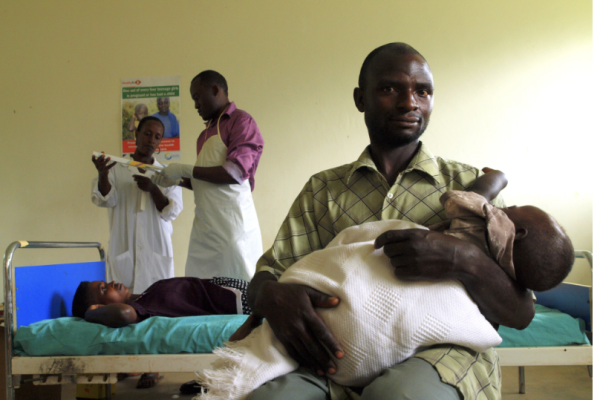
During the conflict, over 90% of the Acholi population and tens of thousands in Lango and the West Nile were forced into overcrowded, under-resourced Internally Displaced Persons (IDP) camps. These camps were breeding grounds for disease, malnutrition, and trauma.
Basic medical services collapsed, clinics were abandoned or attacked and health workers fled or operated with few supplies. In addition schools were closed as these were potential targets for abductions by the LRA rebels.
Children suffered the most. Estimates vary but the UN suggests as many as 25,000 children were abducted and used as child soldiers and forced labour. As well as brutal treatment many suffered malnutrition and stunting from food shortages, chronic conditions like hernias and infections were left untreated and most were left extremely traumatised.
The LRA’s Lasting Impact on Children’s Healthcare in Uganda
The Acholi and Lango sub-regions of northern Uganda and the West Nile have inherited a brutal legacy of poverty from the LRA conflict.
The children who survived the conflict are now adults who’ve grown up with no access to education and healthcare. Lacking the skills needed for employment both within and outside their communities, many struggle to provide even the most basic necessities. This has fuelled a cycle of poverty in which unemployed young adults are now raising children under similarly difficult circumstances, unable to afford adequate healthcare or education.
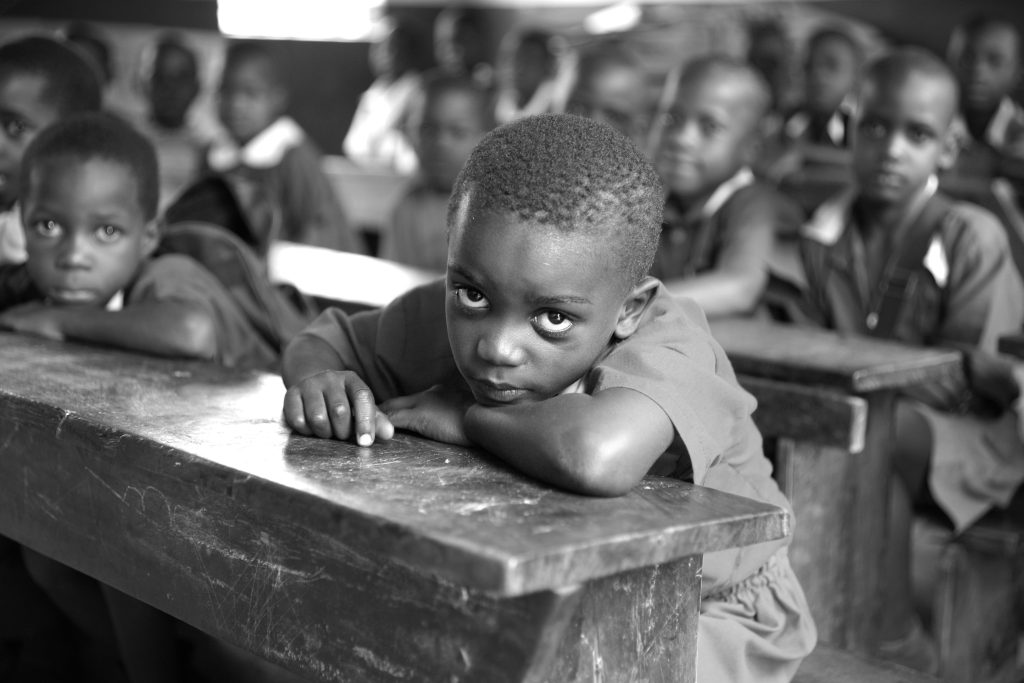
For the girls who survived the conflict, the suffering has been even greater. Many endured sexual violence, contracted HIV from their attackers, or were forced into early marriages as a means of survival. Today, they continue to face severe gender-based violence in their homes and communities, further harming their physical and mental wellbeing.
The combined effects of poverty, limited education, and poor mental health have left much of the population increasingly vulnerable to illness. Disturbingly high numbers of children are being born with conditions such as hydrocephalus, spina bifida, brain abnormalities, and anorectal malformations. These health challenges are linked to inadequate maternal healthcare, particularly poor nutrition during pregnancy and after childbirth, along with the lingering effects of trauma and violence.
How is Humanity Direct Helping?
The Acholi and Lango regions continue to grapple with severe shortages of healthcare workers particularly surgeons and paediatric specialists and many health facilities remain under equipped to meet community needs.
But, by understanding the unique challenges faced by post-conflict areas like Acholi and Lango, HD can better prioritise the surgical needs of children from those areas and ensure that those children get the safe surgery they need.
To donate and help deliver safe surgery to children in Uganda, please visit:
https://www.humanitydirect.org/