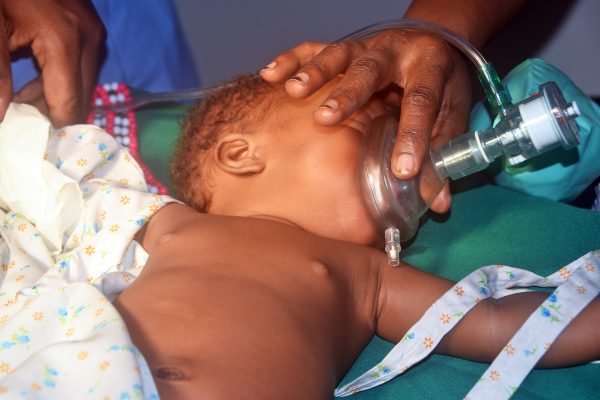
Why Hernia Surgery Has Saved So Many Children’s Lives
In high-income countries, hernias in children don’t warrant much concern, but in low-income countries, untreated hernias result in serious, life-threatening complications that need immediate emergency surgery.
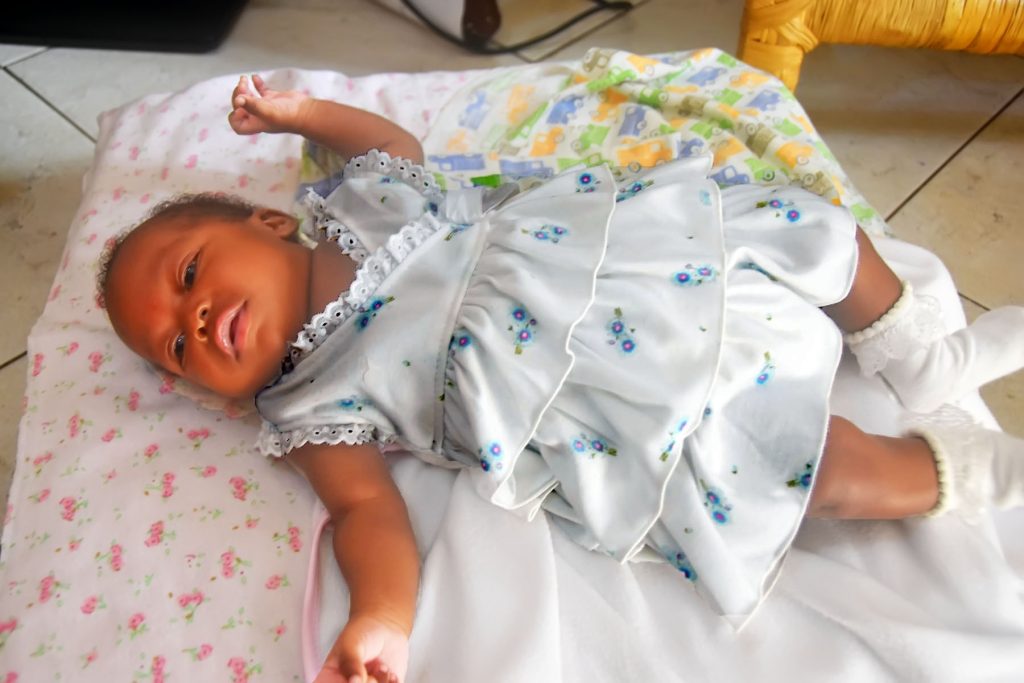
We recently funded 3-month old Babirye hernia operation
What is a Hernia?
A hernia occurs when an organ or tissue bulges through a weak spot in the surrounding muscle or connective tissue. In children, hernias can occur in various parts of the body, such as the abdomen, groin, or diaphragm. In most cases, hernia surgery involves repairing this weakness or hole to prevent organs or tissues from pushing through and causing further damage.
In children, the most common types of hernias are inguinal hernias (in the groin area) and umbilical hernias (around the belly button). The procedure generally involves making a small incision near the hernia site, gently pushing the protruding tissue back into place, and reinforcing the area to prevent the hernia from recurring.
Hernia surgery is often relatively simple and minimally invasive, with most children recovering quickly after the procedure. However, in countries with limited medical resources, even such straightforward treatments can pose significant challenges.
Why is Hernia Surgery So Important?
The importance of hernia surgery for children in low-income countries, where delayed treatment can result in severe consequences, is crucial.
1. Preventing Life-Threatening Complications
When a hernia is not treated, it can lead to serious health issues. A strangulated hernia occurs when the blood supply to the trapped tissue is cut off, which can result in tissue death and severe infections. Without surgery, this condition can be fatal.
For children in low-income regions, the risk of such complications is even higher due to limited access to healthcare. Early hernia surgery can prevent these life-threatening outcomes, protecting vulnerable young patients from severe pain and potentially dying from an easily treatable condition.
2. Reducing the Risk of Chronic Pain
A hernia, if left untreated, may cause chronic pain and discomfort severely impacting a child’s ability to play and learn. In low-income communities, where healthcare and pain management options are often sparse, untreated hernias can result in long-term suffering that could have been easily avoided with timely surgery.
3. Enabling Better Access to Education
When children experience chronic pain or severe illness due to untreated hernias, they are often unable to attend school regularly. In low-income countries, education is a crucial factor in breaking the cycle of poverty. Surgery for hernias allows children to attend school without the distraction of pain or the need for constant medical care, thus improving their chances for a brighter future.
The Results of Hernia Surgery
The impact of hernia surgery on children in low-income countries can be transformative. The procedure not only saves lives but also significantly improves the quality of life. Here are some of the positive results:
1. Reduced Mortality Rates
By addressing the health risks posed by untreated hernias, the surgery dramatically lowers the chances of complications, including death from strangulation or infection. Early hernia surgery can save countless lives, especially in regions where medical care is scarce.
2. Quick Recovery and Return to Normal Life
Hernia surgery for children is often minimally invasive and has a relatively quick recovery time. After the procedure, children can return to their normal activities such as playing, attending school, and socialising, much sooner than expected. This improves not only their physical health but also their emotional and psychological well-being.
3. Improved Long-Term Health Outcomes
When hernias are treated early, children experience fewer complications and less risk of recurrence. This leads to better long-term health outcomes and fewer hospital visits for further treatment. The positive effects of timely hernia surgery can last well into adulthood, giving children in low-income countries a greater opportunity to lead healthy, productive lives.
Hernia surgery is a crucial intervention that saves lives and enables children to lead healthier, more fulfilling lives. For children in low-income countries, access to timely hernia surgery can be the difference between a life full of opportunity and one constrained by illness and suffering. By prioritising this simple, effective procedure, we can improve child health and their chances for a healthy future.