
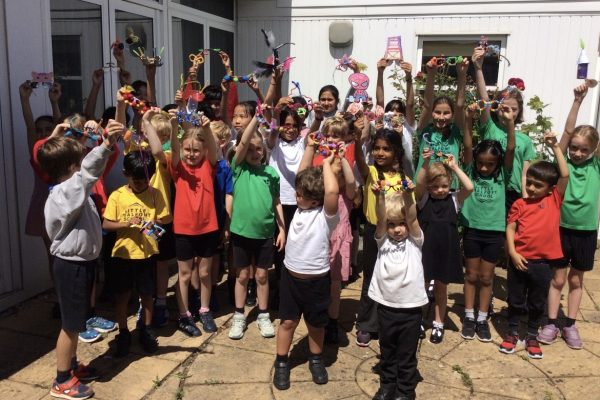

The world can feel like an overwhelming place these days, with bad news becoming a daily occurrence. Children might be worried about what they’ve heard in the news global events.
But during tough times, we also witness the very best of humanity and charity epitomises that.
Right now, kindness, empathy, and generosity matter more than ever. Teaching children about charity is one of the best ways to help them grow into compassionate individuals, showing them that there is more good than bad in the world and that together, we can make things better.
Here are some practical ways to see the good in the world.
1. Start with Simple Concepts like Helping Others

For younger children, skip the complex terminology and explain charity in words they already understand, like ‘being kind‘ or ‘helping people who need it.‘
Make it tangible: Relate it to everyday actions. Talk about donating an old toy to a child who doesn’t have many, or giving extra food to a local food bank.
Share your own stories: Talk about times when you have helped someone, or when someone was kind to you.
2. Make it Relatable: Share Real Stories
Children connect deeply with stories. Whether it’s a picture book or a real-life example, narrative helps illustrate the impact of generosity.
- Books for younger kids: The Giving Tree by Shel Silverstein to introduce the joy of selflessness.
- Books for older kids: Classics like The Little Prince by Antoine de Saint-Exupéry explore deeper themes of care and responsibility for others.
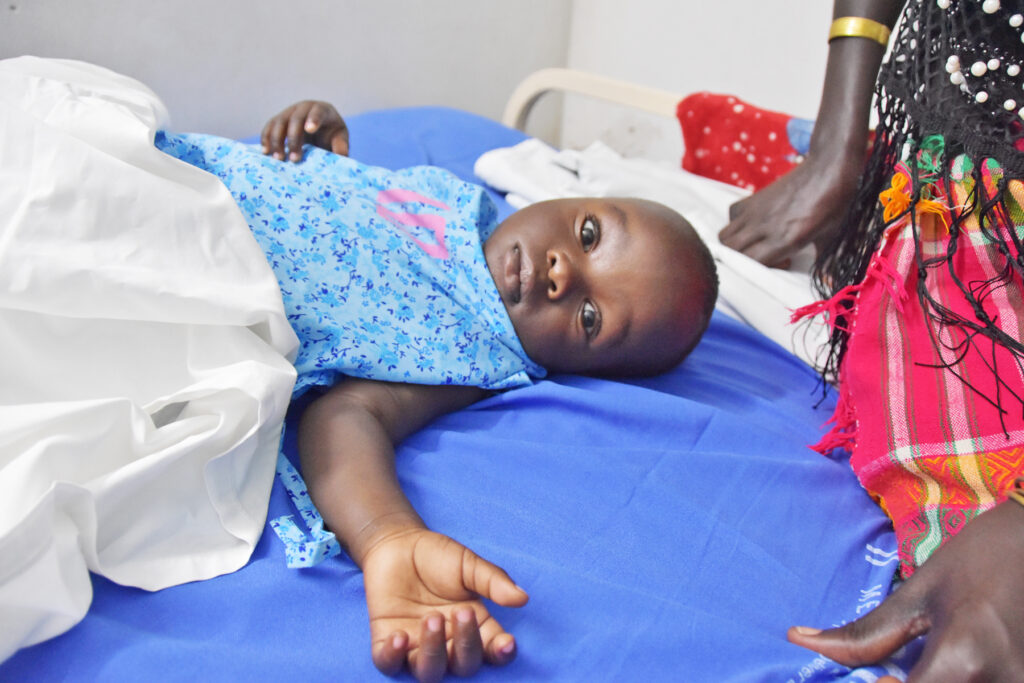
- Personal experiences: Share your own moments of giving: “I helped raise money to fund a doctor’s visit for a little boy who was sick. It made me feel so happy to know he’s getting better now.”
Our Success Stories page is also a great source of inspiration as you can see how donations have funded life changing and life-saving surgery for children.
3. Explain the “Why” Behind Charity

As children grow, they naturally begin to question how the world works. Use their curiosity to teach them about empathy and fairness:
- Not everyone has the same starting point: Explain that while they might have a safe home and plenty of food, others lack these basic resources. Charity helps level the playing field.
- It goes beyond money: Remind them that giving your time, a smile, or a helping hand to a neighbor is just as valuable as financial donations.
- Everyone deserves a chance: Teach them that every person, regardless of where they live—deserves access to healthcare, education, and food.
4. Encourage Hands-On Involvement
Children learn best by doing. Instead of just talking about charity, involve them directly in the process to give them a sense of agency and accomplishment.
- The Toy & Clothes Purge: Have them pick out clothes or toys they’ve outgrown to personally take to a donation center.
- Host a Mini-Fundraiser: Help them organize a simple neighborhood bake sale, a lemonade stand, or a sponsored walk-a-thon for a cause they care about.
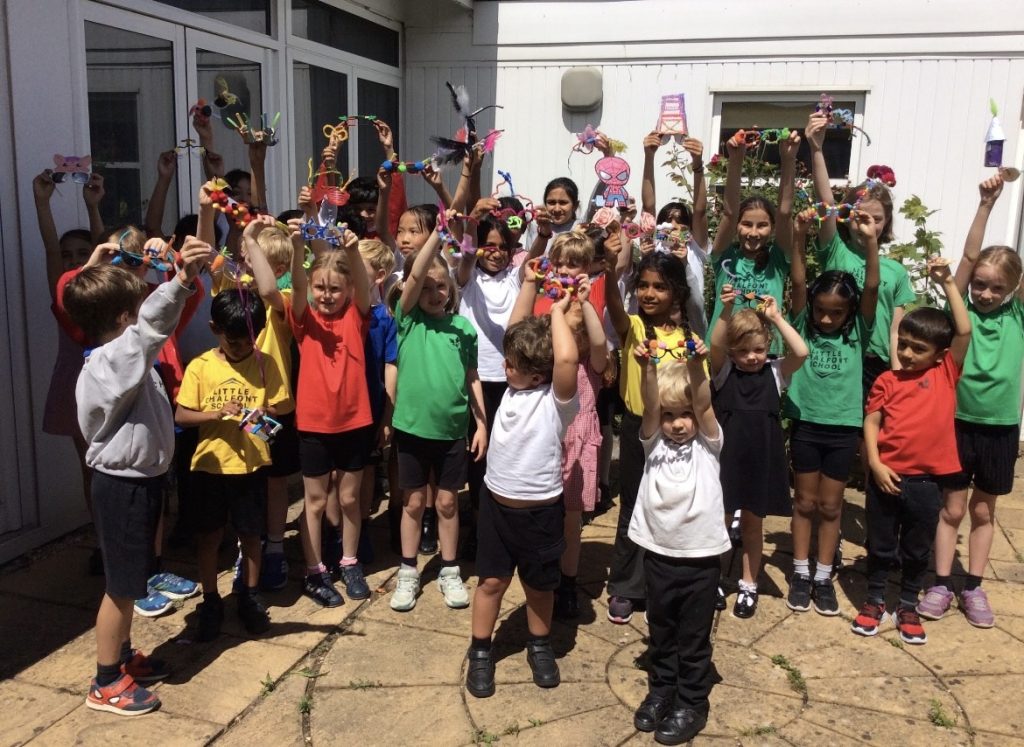
- Host a GlassesforClasses Fundraiser: Our Glasses for Classes programme is a great way for children to get involved and make a difference by decorating their own glasses.
5. Introduce Empathy: “How Would You Feel?”
Empathy is the cornerstone of charity. Help your children put themselves in someone else’s shoes by asking thought-provoking, age-appropriate questions:
“How would you feel if you went to school but didn’t have any lunch to eat?”
“How would you feel if you hurt your arm, but there wasn’t a hospital or a doctor nearby to fix it?”
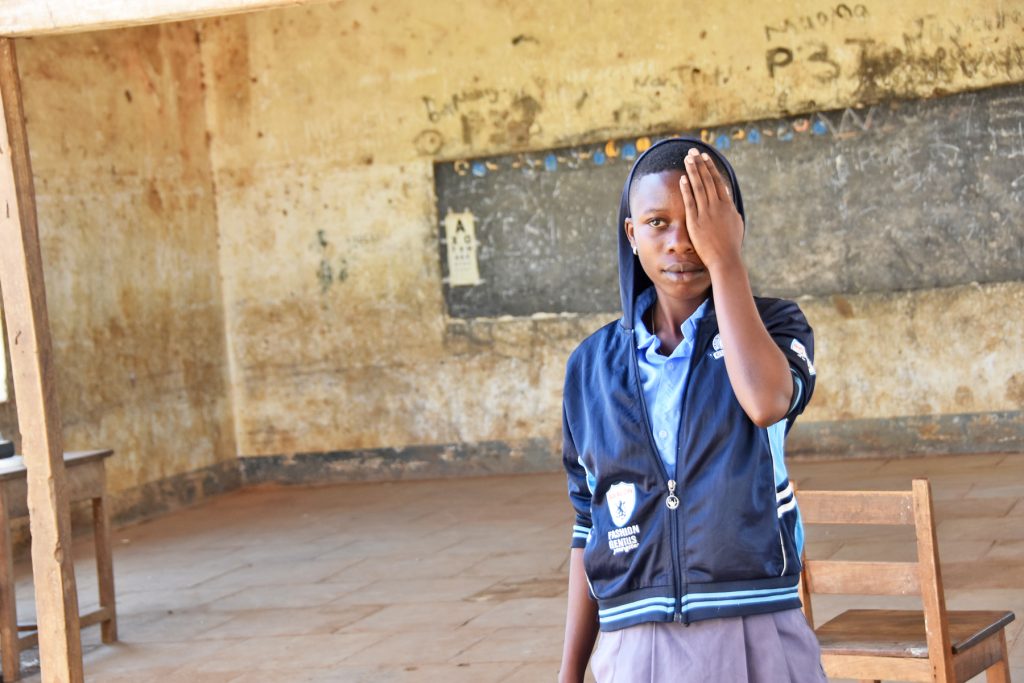
“How would you feel if you couldn’t see the whiteboard at school, but didn’t have any glasses?”
These questions help children connect human needs to real-world solutions.
6. Celebrate the Power of Small Acts
Children often think they need to do something massive to make a difference. Teach them that every small act adds up. A few spare coins, a donated book, or an hour spent helping someone can completely change another person’s day. No gesture of kindness is ever wasted.
7. Connect Them to the Global Community
As children mature, they begin to understand that we are all part of a global family. This is a wonderful time to show them how charity crosses borders to transform lives.
At Humanity Direct, we see firsthand how children’s lives are changed when they receive critical medical care. Many children in Uganda lack access to basic healthcare or simple corrective tools like vision care, which keeps them from succeeding in school.
Get Involved: Glasses for Classes 👓
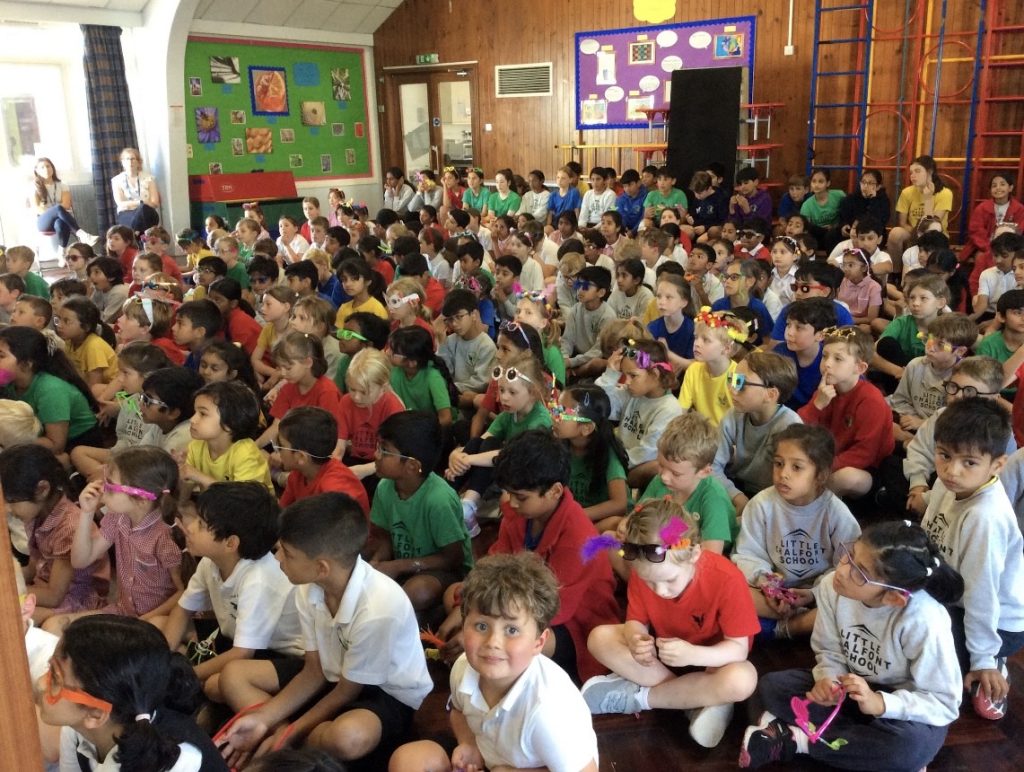
We designed our Glasses for Classes initiative specifically for young people! It’s a fantastic way for your child’s school class or friendship group to team up and fundraise together. By raising money as a team, they can directly fund life-changing eye examinations and glasses for children in Uganda who cannot see clearly.
It’s a perfect, tangible way for your children to see the direct impact of their global generosity.
To find out how your family or school can get involved, visit Humanity Direct.
